
How to Help Your Child Revise for PSLE
A complete guide to PSLE revision, science paper format, topic priorities, active revision strategies, stress management, and a practical 3-phase plan.


Imagine the thrill of mixing liquids and watching them change colour or creating a volcanic eruption in your kitchen! Easy science experiments like these can bring science to life, sparking excitement and curiosity in young minds.
In this guide, we’ve handpicked five science experiments for kids that each unlock a different corner of the scientific world: density and buoyancy, air pressure, chemical reactions, Newton’s laws of motion, and surface tension. These easy science experiments to do at home are approachable, low-cost and all you need are simple household items, perfect for young learners dipping their toes into the world of science!
They’re also fun, educational and affordable hands-on activities to engage your children at home, a fantastic way to bond with your kids and create lasting memories.
@tsathescienceacademy Today, we put our lime into the LIMElight for a little #experiment! Parents, do try this with your little kids at home for them time learn about #density. #thescienceacademy #curiousmindseverydaydiscoveries #lime #sgtuition #physicstuition #fyp #learnontiktok ♬ News Science Experiment Procedure Video(1550090) – Beats No Ease
This easy science experiment demonstrates the concept of density and buoyancy. By comparing how objects float or sink in fresh water versus salt water, you can visually demonstrate to kids how the density of water changes with the addition of salt.
This is one of the most accessible science experiments at home for younger children recommended for ages 5 and up.
Ten minutes
@tsathescienceacademy How do you get a hard boiled egg in and out of a glass bottle? Watch this egg-citing eggs-periment! #tsathescienceacademy #curiousmindseverydaydiscoveries #airpressure #eggs #experiments #Science #physics #fyp #foryourpage ♬ original sound – TSA The Science Academy
This classic experiment demonstrates the concept of air pressure in a surprising and visually striking way. The simple set-up shows how hot air inside a bottle causes a visible pressure difference between the inside and outside, enough to suck a hard-boiled egg into the bottle.
Recommended for ages 8 and up, this science experiment at home involves fire and should always be conducted by an adult or with close adult supervision.
Five to ten minutes
This fun science experiment demonstrates the concept of acid-base chemical reactions in an exciting manner, making it an easy introduction to chemistry for kids. With an optional step of decorating the “volcano” with paint, this experiment also allows kids to flex their creative muscles. The paint decoration step works equally well as a standalone art extension activity, great for an afternoon that blends science and creativity.
This experiment is suitable for ages 5 and up, making it one of the most family-friendly kids science experiments at home you can try.
Ten minutes
The reaction between baking soda and vinegar results in the formation of water, salt, and carbon dioxide gas, which explains the mixture’s fizzy upsurge.
This fun science experiment for kids demonstrates Newton’s Third Law of Motion, which states that for every action, there is an equal and opposite reaction. As the balloon is propelled across the room, the set-up creates an easy and visible demonstration of this fundamental law of physics.
This experiment is suitable for ages 5 and up, making it a great kids science experiment at home that the whole family can set up and enjoy together.
Five to ten minutes
This captivating experiment explores the concept of surface tension in chemistry. Witness the mesmerising dance of colours as you introduce soap to a dish of colourful milk. This science experiment is a fun, easy, and visually appealing way for kids to learn about the properties of liquids and how they interact with different substances.
Suitable for ages 4 and up, this is one of the most inclusive, easy science experiments to do at home. It’s safe, any mess is contained and fascinating for even the youngest curious minds.
Ten minutes
| Experiment | Recommended Age | Difficulty | Mess Level |
|---|---|---|---|
| Density of Water | 5 and up | Easy | Low |
| Egg in a Bottle | 8 and up | Medium | Low |
| Baking Soda and Vinegar Volcano | 5 and up | Easy | Medium |
| Balloon Rocket | 5 and up | Easy | Low |
| Rainbow Milk | 4 and up | Easy | Low |
Five easy science experiments for kids to do at home are: the Density of Water Experiment, Egg in a Bottle, Baking Soda and Vinegar Volcano, Balloon Rocket, and Rainbow Milk. Each one uses everyday household items and takes as little as five to ten minutes to complete, perfect for a quick after-school activity or a weekend afternoon.
Yes. All five science experiments for kids in this article require only common household items such as water, salt, vinegar, baking soda, milk, balloons, and string. No lab equipment or specialist materials are needed.
These science experiments at home introduce five key concepts across physics and chemistry:
Most of the kids’ science experiments at home featured in this article are suitable for ages 5 and up with adult supervision. The exception is the Egg in a Bottle (Experiment 2), which involves fire and requires direct adult supervision, making it recommended for ages 8 and up.
Our “Tips for Doing Science Experiments at Home with Kids” provides practical guidance for getting the most out of science experiments at home. But a good rule of thumb is: encourage your child to make predictions before starting, talk through their observations during the experiment, and try variations afterwards. This simple routine builds curiosity and reinforces the scientific method in a natural, low-pressure way.

These easy at-home experiments are a fantastic way to bring science to life for your kids. By engaging in these hands-on activities, you can engage children on a deeper level as they witness the scientific concepts in action. This interactive approach is particularly effective on independent learners who thrive on hands-on exploration, such as students in the Gifted Education Programme in Primary Schools.
Foster a genuine love for inquiry in your children with The Science Academy’s activity ideas and resources. We go beyond typical classroom lessons by incorporating such activities into our teaching to make learning more dynamic.
Our tutors also provide dedicated attention to each student. On top of helping them to master syllabus content, they guide them through common school challenges, such as by imparting strategies and techniques to manage exam stress.
With the right resources, you can enrich your child’s learning experience. Consider enrolling your child in our Primary Science or Combined Science tuition programmes for additional education support today.
A complete guide to PSLE revision, science paper format, topic priorities, active revision strategies, stress management, and a practical 3-phase plan.
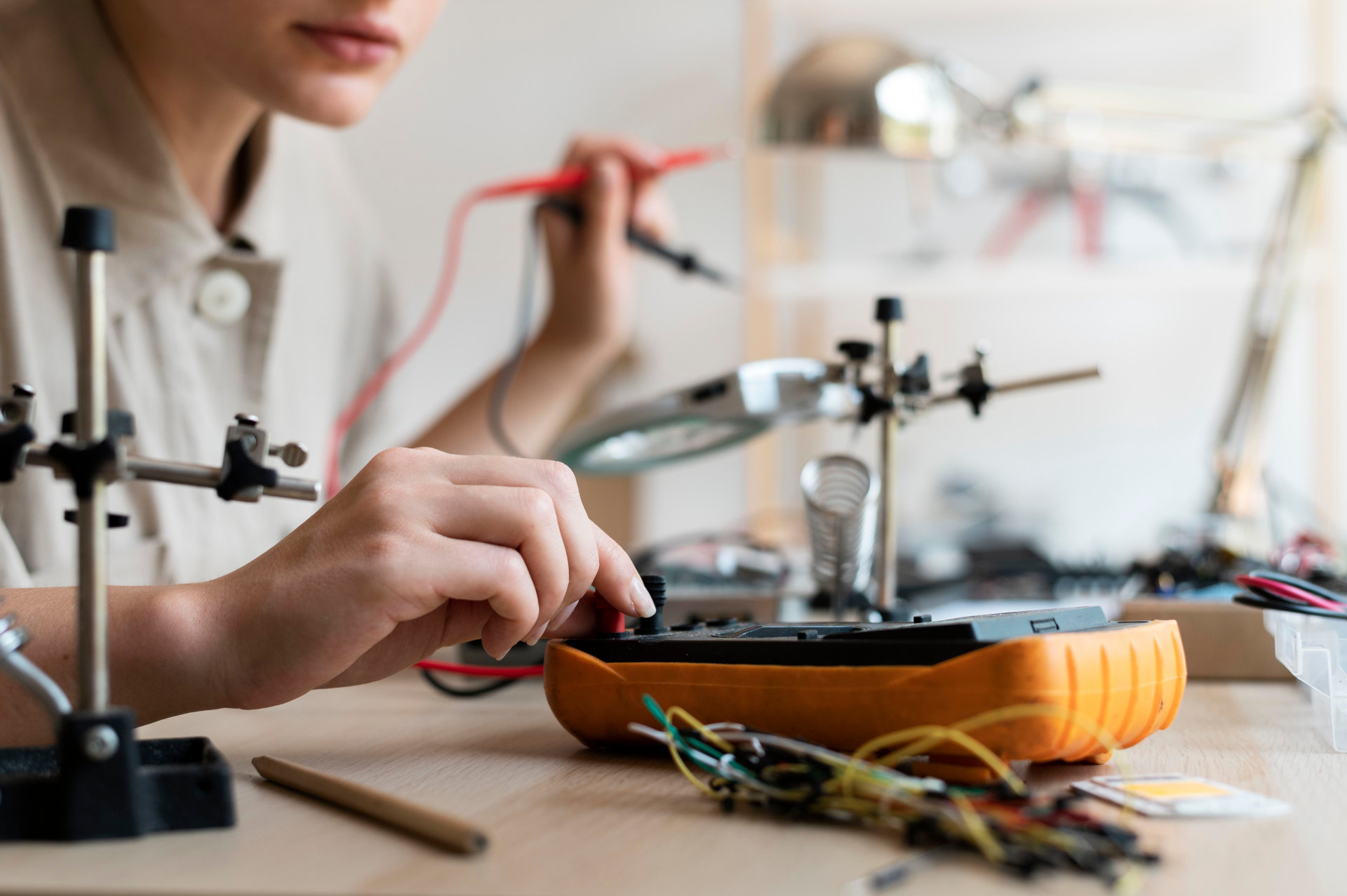
Learn the key differences between series and parallel circuits. Including current, voltage, resistance rules, brightness effects, and real-world examples.

Not sure which to take for A-Levels? Compare the syllabus, exam format, practical assessment, and university requirements to decide.

Not sure which to take for A-Levels? Compare the syllabus, exam format, and university requirements to make the right choice.

Struggling with exam stress? Learn effective strategies for managing exam stress and anxiety, reducing brain fog & boosting your success for exam season!

Understand key changes to Singapore’s Gifted Education Programme in 2024 and help your child succeed in the new GEP curriculum for primary schools today!
